Merlotte Shadow Font: A Designer’s Review
As an embroidery designer who has spent years digitizing logos and testing fonts for small business clients, I approach every new machine embroidery design with a critical eye. It is not just about whether a font looks pretty on a screen; it is about how it translates to fabric, how it holds up in the wash, and whether it elevates the brand identity of the client wearing it. Recently, I had the opportunity to review the Merlotte Shadow Embroidery Font, and I want to share my professional assessment of how this typeface performs in real-world commercial applications.
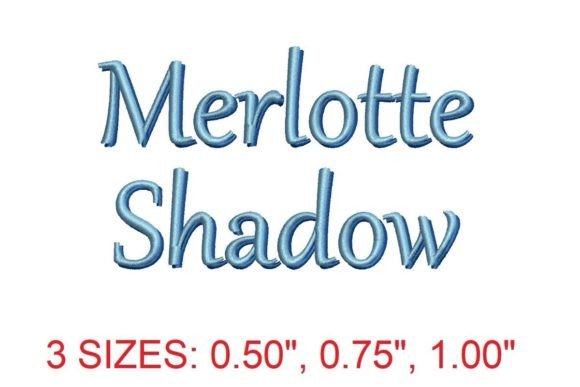
The first impression of the Merlotte Shadow Embroidery Font is one of intriguing depth. The description promises a "spellbinding collection" with an "alluring shadow effect," and visually, it delivers a sense of mystique that is rare in standard typography. For designers working in the Back To School season or creating unique Embroidery projects for boutique brands, this font offers a distinct personality. It feels less like a corporate staple and more like a creative statement piece. It strikes a balance between playful and premium, making it suitable for handmade brands that want to stand out without appearing chaotic.
Visual Personality and Brand Fit
When selecting a font for branded merchandise, you must consider the emotional response it triggers. The shadow effect in this design adds a layer of dimensionality that mimics the natural look of high-quality stitching. This makes the digital embroidery file particularly effective for businesses that want to convey craftsmanship. I found that the font works exceptionally well for creative studios, bakeries, florists, and pet brands. These industries often rely on a warm, approachable, yet professional aesthetic. The Merlotte Shadow Embroidery Font provides that touch of elegance while maintaining a friendly, accessible vibe.
However, it is crucial to note that this is not a minimalist sans-serif. It has character. If your client’s brand identity is strictly modern, industrial, or ultra-corporate, this font might feel too decorative. But for Etsy sellers, crafters, and local boutiques, it serves as a powerful tool for visual consistency. It helps create a cohesive look across various design assets, from social media graphics to physical products.
Performance in Real Business Use
The true test of any embroidery font is its versatility across different substrates and products. I evaluated how the Merlotte Shadow Embroidery Font would perform on common small business merch items.
- Embroidered Patches: This is perhaps the strongest use case. The shadow effect creates a natural border that defines the lettering against the patch background. It allows the text to pop, even when using similar thread colors for the main text and the shadow.
- Apron Embroidery: For cafes and bakeries, staff uniforms are walking billboards. This font looks sophisticated on aprons, especially when placed on the chest pocket or the upper back. It adds a bespoke feel to the uniform, enhancing customer trust and perceived professionalism.
- Cap Embroidery: Caps present a challenge due to the curved surface and limited space. The Merlotte Shadow Embroidery Font can work here, but only if the size is managed carefully. The shadow adds width, so it requires adequate spacing to avoid looking cluttered on the front panel of a baseball cap.
- Tote Bag Design: Canvas tote bags are a staple for handmade product lines. The bold nature of this font ensures readability from a distance, making it ideal for large-scale branding on tote bags used for grocery runs or book carrying.
- Custom Apparel: On t-shirts and hoodies, this font serves as an excellent accent. It is not overly aggressive, allowing it to pair well with other graphic elements or standalone as a minimalist logo on the sleeve or hem.
Technical Considerations for Production
While the aesthetic appeal is high, practical execution requires attention to detail. As a designer, I always advise checking specific technical specifications before running a production batch. Since the product description does not provide exact stitch counts or file formats, you must verify these details in the downloaded package. Here are my critical notes for ensuring a high-quality finished product.
Stitch Density and Fabric Texture
The shadow effect inherently increases the stitch density. If the digitizing is not optimized, this can lead to puckering, especially on lighter fabrics. When using this font on thin cotton or polyester blends, it is non-negotiable to use a high-quality cut-away stabilizer. For textured fabrics like towels or heavy canvas, the shadow helps the text stand out, but you must ensure the needle penetration does not distort the fabric weave. Always test on a scrap piece of the actual material before committing to the final item.
Size and Legibility Constraints
One area where you must use caution is small patch sizes. The intricate details of the shadow can become lost if the design is scaled down too far. I recommend avoiding this font for tiny labels or small chest logos under two inches in height. At that scale, the shadow may merge with the primary lettering, creating a blob of thread rather than distinct characters. For commercial embroidery projects involving small items like pen cases or keychains, consider using a simpler, solid font instead.
Thread Color Contrast
To maximize the impact of the Merlotte Shadow Embroidery Font, thread color selection is vital. The shadow effect relies on contrast. Using a dark shadow with a light main text, or vice versa, creates the intended 3D illusion. If you choose low-contrast colors, the design will look flat and muddy. I suggest creating a printable mockup to visualize different color combinations before stitching. This step saves time and thread, ensuring the client approves the visual hierarchy before production begins.
Enhancing Brand Identity and Value
Ultimately, the goal of using a specialized font like this is to enhance brand recognition. In a saturated market, small business owners need every advantage to capture attention. The Merlotte Shadow Embroidery Font contributes to a perception of quality. When a customer receives a tote bag or wears a cap with well-executed, dimensional embroidery, it signals that the brand cares about details. This builds emotional connection and loyalty.
For Etsy sellers and merch creators, this font can be a differentiator. It moves beyond generic store-bought aesthetics into the realm of custom, artisanal creation. It supports the narrative of a handmade product, justifying a higher price point. When used consistently across uniforms, packaging accents, and promotional gifts, it strengthens the overall brand identity. Customers begin to associate that specific typographic style with your business, fostering instant recognition.
Final Verdict and Best Practices
Before integrating the Merlotte Shadow Embroidery Font into your workflow, follow these steps to ensure success:
- Test in Black and White: Remove color variables to check if the shape and spacing hold up. If it looks good in monochrome, it will look great in color.
- Check Hoop Size Compatibility: Ensure the design fits within your standard hoop sizes without excessive re-hooping, which can cause alignment issues.
- Verify Commercial Licensing: Always confirm the license terms included with the digital file. Ensure you have the right to use it for physical goods sold to customers.
- Create Client Mockups: Show the client how the font looks on their specific product type. A design that looks great on a patch might look different on a curved cap.
- Inspect Spacing: Look closely at kerning. Shadow fonts can sometimes have tight spacing that causes thread breaks. Adjust if necessary based on your machine’s capabilities.
In conclusion, the Merlotte Shadow Embroidery Font is a valuable addition to any designer’s library, particularly for those serving creative, boutique, and lifestyle brands. It offers a unique blend of mystique and professionalism that can elevate small business merch from ordinary to exceptional. By respecting its technical requirements regarding density, size, and contrast, you can produce stunning, durable embroidered items that customers will love to wear and use. It is a tool that, when wielded with expertise, significantly enhances the perceived value of your commercial embroidery projects.