Alisha Font Review: Elevating Small Business Merch
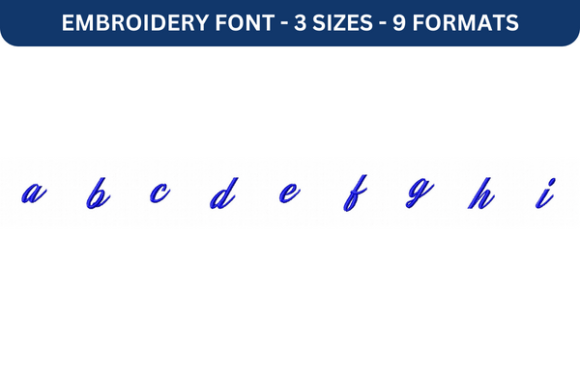
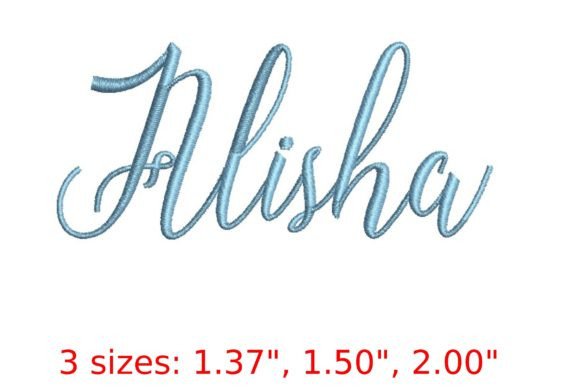
As an embroidery designer who has spent years digitizing logos and testing files for everything from corporate uniforms to boutique gift shops, I have learned that the right font can make or break a finished product. When I first loaded the Alisha Font into my software, my immediate impression was one of approachable elegance. This is not a rigid, corporate typeface, nor is it overly whimsical to the point of being unreadable. It strikes a delicate balance between professional polish and heartfelt warmth. For small business owners, this distinction is critical. You want your brand to feel trustworthy, but you also want it to feel human.
The product description promises to let your creativity soar and infuse designs with infectious energy. In practical terms, this means Alisha Font is best suited for brands that rely on personal connection. Think of a local bakery, a floral studio, a pet grooming service, or a handmade jewelry shop. These businesses thrive on the feeling that a real person crafted their products. Using a script font like Alisha on your merchandise signals that care and attention to detail are core values of your company.
Real-World Applications for Branded Merchandise
When evaluating a new machine embroidery design, I always ask: where does this actually live in the real world? Alisha Font shines in applications where space allows the curves of the letters to breathe. Here is how I envision this font performing across various commercial projects:
- Embroidered Patches: This is perhaps the strongest use case. A circular or oval patch featuring a boutique’s name in Alisha creates a premium, collectible feel. It works beautifully as a chest logo accent on denim jackets or canvas totes.
- Staff Uniforms and Aprons: For cafes and creative studios, apron embroidery adds a layer of sophistication. Stitching a barista’s name or the shop’s logo in this script on a high-quality linen apron elevates the perceived value of the service.
- Tote Bag Design: Canvas bags are staples for Back To School promotions and everyday retail. The fluid lines of Alisha contrast nicely against the rough texture of canvas, creating a modern, artisanal look that customers love to carry.
- Cap Embroidery: While possible, this requires caution. Script fonts can be tricky on the curved front panel of a baseball cap. However, if used as a smaller side-sleeve detail or on a unstructured dad hat, it can add a subtle, stylish touch without compromising readability.
For Etsy sellers and crafters, this font is a versatile asset. It can be used for personalized customer gifts, such as monogrammed towels or custom baby blankets. The "infectious energy" mentioned in the description translates to a visual vibe that feels uplifting and positive, which is exactly what buyers look for when purchasing handmade items.
Navigating Technical Challenges in Production
While Alisha Font is visually stunning, any experienced embroiderer knows that beauty must be balanced with technical feasibility. Script fonts often present challenges regarding stitch density and connectivity. Here are the specific areas where you need to exercise care during production:
Small Patch Sizes and Tiny Lettering: If you plan to shrink this design for a small lapel pin or a tiny label, you must test it rigorously. Fine script details can merge together if the stitch count is too high or if the thread expands slightly during stitching. I recommend running a test sample at your smallest intended size before committing to a full production run. If the letters begin to look like a blob, you may need to simplify the design or increase the size.
Fabric Texture and Stabilizer Choice: The performance of this digital embroidery file will vary significantly depending on the material. On smooth cotton or polyester, the lines will remain crisp. On textured fabrics like terry cloth or heavy wool, the intricate curves of Alisha might get lost. Always use the appropriate stabilizer. For stretchy fabrics like jersey tees, a cut-away stabilizer is essential to prevent distortion. For woven fabrics like tote bags, a tear-away might suffice, but test first to ensure the fabric does not pucker around the dense lettering.
Thread Color Contrast: Because this is a script font, legibility relies heavily on contrast. Using a thread color that is too similar to the fabric color will render the design invisible from a distance. I advise starting your tests in black and white to check the structural integrity of the stitches. Once the structure is sound, experiment with high-contrast thread colors to ensure the brand name pops.
Impact on Brand Identity and Customer Trust
Your choice of typography is a direct reflection of your brand identity. Using Alisha Font sends a specific message to your customers. It suggests that your business is friendly, accessible, and values aesthetics. In the context of small business merch, this can significantly impact buyer engagement.
When a customer receives a package with a beautifully embroidered thank-you tag or wears a shirt with a well-digitized logo, it builds trust. It shows that you did not cut corners. This perception of quality allows you to command higher prices for your custom apparel and accessories. Furthermore, visual consistency is key. If your website, packaging, and social media graphics use similar soft, elegant fonts, extending that look to your physical merchandise through Alisha creates a cohesive brand experience.
For those in the commercial embroidery sector, offering this font as an option for client projects can expand your service offerings. It appeals to clients in the wedding industry, hospitality sector, and boutique retail who want to move away from blocky, industrial-looking logos.
Practical Designer Notes for Best Results
Before you purchase or begin stitching, here is my checklist for ensuring success with this design:
- Verify File Details: The product description does not specify exact stitch counts, file formats, or hoop sizes. Always check these details with the seller before production. Ensure the file format is compatible with your specific embroidery machine.
- Check Commercial Licensing: If you are using this for small business merch that you intend to sell, confirm that the license includes commercial use. Some designers charge extra for commercial rights.
- Create a Printable Mockup: Before stitching, create a digital mockup. Place the design on images of aprons, caps, and bags to see how it scales. This helps in client approval processes and saves time on wasted thread and fabric.
- Test on Real Fabric: Never skip the test stitch. Use the same fabric and stabilizer combination you plan to use for the final product. Check for puckering, thread breaks, and readability.
- Review Spacing and Hoop Size: Ensure the design fits comfortably within your hoop size with adequate margin. Crowding the edges of the hoop can lead to misalignment and poor stitch quality.
In conclusion, Alisha Font is a powerful tool for embroidery designers and small business owners looking to add a touch of personality and professionalism to their products. It is not just a decorative element; it is a strategic asset for building brand recognition. By understanding its strengths and respecting its technical limitations, you can create stunning embroidered patch designs, apparel, and accessories that truly inspire and uplift your customers. Whether you are preparing for the Back To School rush or launching a new line of boutique goods, this font offers the versatility and charm needed to stand out in a crowded market.